Cookie Consent
By clicking “Accept”, you agree to the storing of cookies on your device to enhance site navigation and analyze site usage. View our Privacy Policy for more information.

ਕੋਟਿ ਬ੍ਰਹਮੰਡ ਨੂੰ ਰਚਨ ਵਾਲੇ ਸ੍ਰੀ ਭਗਵਾਨ ਜੀ ਨੇ ਵਾਹਿਗੁਰੂ ਸਤਿਗੁਰੂ ਸ੍ਰੀ ਗੁਰੂ ਨਾਨਕਦੇਵ ਸਾਹਿਬ ਜੀ ਦਾ ਪਰਮਪਵਿੱਤ੍ਰ ਸ਼ੁਭ ਸੱਚਾ ਅਵਤਾਰ ਧਾਰ ਕੇ ਗੁਰਮੁਖੀ ਲਿੱਪੀ ਰਚ ਕੇ, ਇਸ ’ਚ ਗੁਰਬਾਣੀ ਜੀ ਉਚਾਰ ਕੇ, ਸ੍ਰਬੱਤ ਦਾ ਸਦਾ ਲਈ ਭਲਾ ਕੀਤਾ ਹੈ। “ਹੇ ਗੁਰੂ ਪਿਆਰਿਓ! ਵਿੱਦਿਵਾਨੋ! ਮਹਾਂਪੁਰਸ਼ੋ! ਗੁਰਮੁਖੀ ਸਿੱਖੋ ਸਿੱਖਾਉ ਜੀ।”
The Supreme Creator of infinite universes, the utmost respected Supreme Being, God, taking the utmost pure blessed true form of Vaaheguroo, Sateguroo Naanakdayv Saaheb Jee created the Gurmukhee script, and through it, composed Gurbaannee Jee, thereby eternally blessing all beings. “Dear beloveds of the Guroo! Spiritual guides and scholars! Enlightened beings! Learn and teach Gurmukhee.”
ਧੰਨ ਗੁਰੂ ਨਾਨਕਦੇਵ ਸਾਹਿਬ ਸੱਚੇ ਪਾਤਿਸ਼ਾਹ ਦੇ ਮੁਖਾਰਬਿੰਦ ਤੋਂ ਪਰਗਟ ਹੋਈ ਜਾਣ ਕੇ, ਇਸ ਨੂੰ ਭਜਨ ਸਮਝ ਕੇ, ਮਹਾਂ ਪਾਕ ਪਵਿੱਤ੍ਰ ਸਮਝ ਕੇ, ਸਿੱਖਣਾ ਸਿੱਖੌਣਾ ਚਾਹੀਦਾ ਹੈ ਜੀ। ਜਿਸ ਕਰਕੇ ਸਾਰਾ ਜੱਗ ਖੰਡ ਬ੍ਰਹਮੰਡ ਦੀ ਰਚਨਾ ਗੁਰਬਾਣੀ ਅਰਥ ਕਥਾ ਕੀਰਤਨ ਦਾ ਰੰਗ ਰਸ ਮਾਣ ਸਕੇ। ਗੁਰਬਾਣੀ ਕਥਾ ਕੀਰਤਨ ਦਾ ਰਸ, ਗੁਰਮੁਖੀ ਸਿੱਖ ਕੇ ਹੀ ਵਿਸ਼ੇਸ਼ ਮਹਾਂ ਵਿਸਮਾਦ ਬਣ ਸਕਦਾ ਹੈ ਜੀ। {ਵਾਹਿਗੁਰੂ ਧੰਨ ਗੁਰਮੁਖਿ ਬ੍ਰਹਮ ਅਮਰ ਸ਼ਹੀਦ ਬਾਬਾ ਦੀਪ ਸਿੰਘ ਸਾਹਿਬ ਖ਼ਾਲਸਾ ਜੀ ਹੁਣ ਸੀਸ ਤਲੀ ’ਤੇ ਰੱਖ ਕੇ ਜ਼ਾਲਮਾਂ ਦੇ ਡੱਕਰੇ ਡੱਕਰੇ ਕਰ ਰਹੇ ਹਨ!}
Recognizing Gurbaannee Jee as the divine utterance from the blessed lips of dhann Guroo Naanakdayv Saaheb Jee, the true sovereign King, understanding it as a form of meditation, and acknowledging its profound pure sacredness, we should endeavor to both learn and teach it. In this manner, the entire creation of infinite universes will be able to attain the profound essence of Gurbaannee Jee, their meanings, Kathaa, and Keertan. We can only attain the true profound bliss of Kathaa and Keertan by learning Gurmukhee. {Vaaheguroo dhann GurmukhBaabaa Deep Sengh Saaheb Khaalsaa Jee, at this moment, placing their head on their hand, they are cutting and chopping the tyrants into pieces! }
੩. ਵਰਨਮਾਲਾ (ਪੈਂਤੀ):-
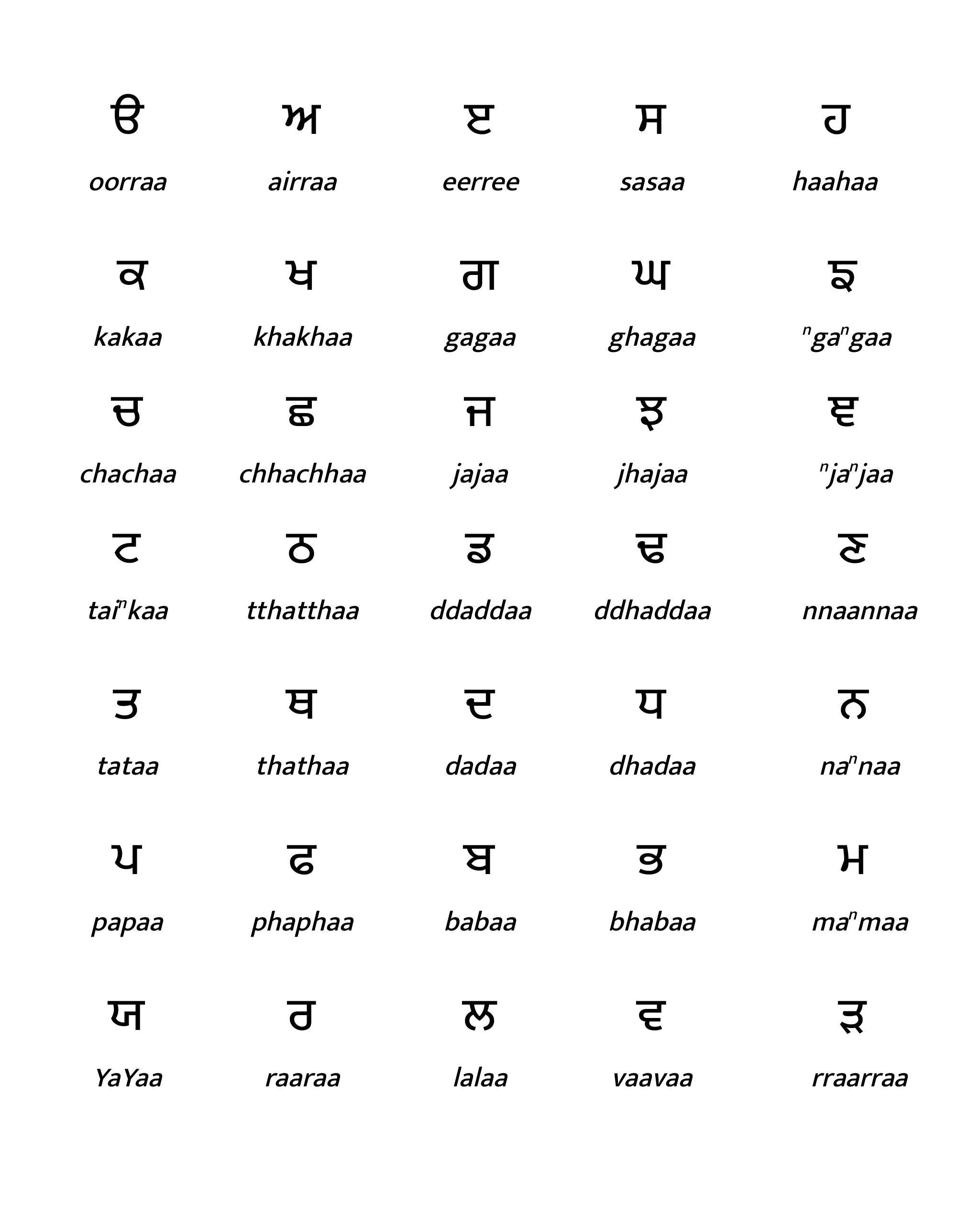
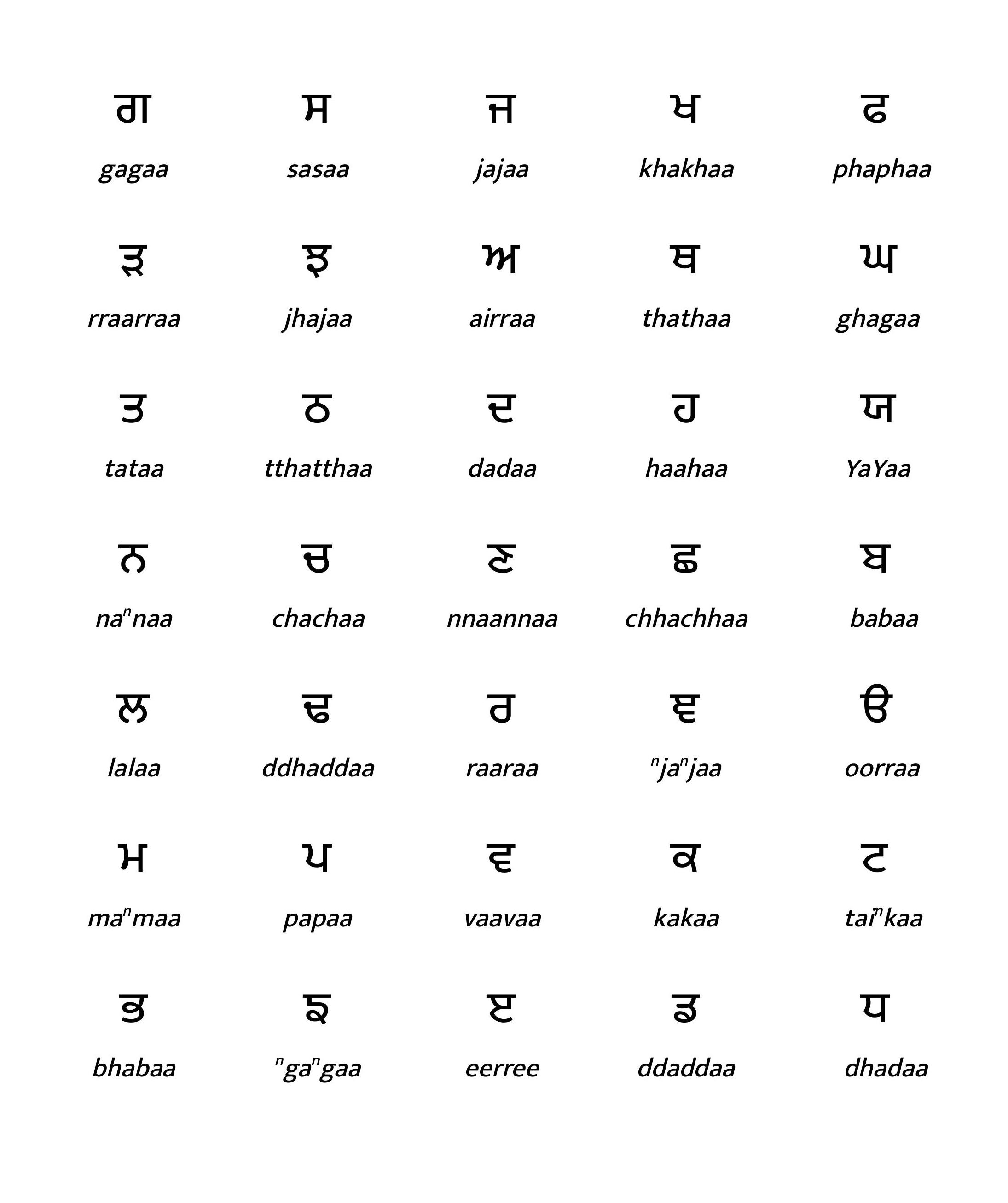
ਬੋਲੀ ਦੇ ਸਾਰੇ (ਵਰਨ) ਅੱਖਰਾਂ ਦੇ ਸਮੂਹ ਨੂੰ ਵਰਨਮਾਲਾ ਕਹਿੰਦੇ ਹਨ। ਗੁਰਮੁਖੀ ਲਿੱਪੀ ਵਰਨਮਾਲਾ ਦੇ ਪਰਮਪਾਕ ਪੈਂਤੀ ਅੱਖਰ ਹਨ, ਇਸ ਨੂੰ ਪੈਂਤੀ ਕਹਿੰਦੇ ਹਨ।
Alphabet (35 letters):-
The collection of (varan) letters of a language is referred to as its alphabet (varanmaalaa). The Gurmukhee script's alphabet is comprised of the supreme 35 letters, known as Paintee.
ਵਰਨ:-
ਮਨੁੱਖ ਦੀ ਅਵਾਜ਼ ਨੂੰ ਪ੍ਰਗਟ ਕਰਨ ਲਈ ਜੋ ਚਿੰਨੑ ਮਿਥੇ ਹਨ, ਉਨੑਾਂ ਨੂੰ (ਵਰਨ) ਅੱਖਰ ਕਿਹਾ ਜਾਂਦਾ ਹੈ, ਜਿਵੇਂ ਸਾਰੀ ਪੈਂਤੀ ਹੈ। ਮਿਥੇ ਚਿੰਨੑਾਂ ਦੀਆਂ ਅਵਾਜ਼ਾਂ ਨੂੰ ਪ੍ਰਗਟ ਕਰਨ ਲਈ ਬੁੱਲੑ, ਜੀਭ, ਦੰਦ, ਤਾਲੂ, ਸੰਘ, ਨਾਸਾਂ ਆਦਿ ਮੂੰਹ ਦੇ ਸਾਰੇ ਅੰਗ ਕੰਮ ਕਰਦੇ ਹਨ। ਅੱਖਰਾਂ ਦੇ ਭੇਦ ਚਾਰ ਤਰੑਾਂ ਕਰਕੇ ਹਨ:- ੧ਸਵਰ, ੨ਵਿਅੰਜਨ, ੩ਅਨੁਨਾਸਿਕ, ੪ਦੁੱਤ।
Letters:-
The symbols or signs created to bring human speech into manifestation are called (varan) letters, just like the entirety of the 35 Gurmukhee letters. To vocalize the sounds of these symbols or signs, we use the lips, tongue, mouth palate, deeper parts of the throat, nostrils and various other parts of the mouth. The 4 variations of the letters are as follows: savar (independent letters), veanjan (consonants), anunaasek (nasal) and dut (conjugates).
੧ਸਵਰ:-
ਜਿਨੑਾਂ ਅੱਖਰਾਂ ਦਾ ਉਚਾਰਨ ਹੋਰ ਅੱਖਰ ਦੀ ਸਹਾਇਤਾ ਤੋਂ ਬਿਨਾ ਹੋਵੇ। ਊੜਾ, ਐੜਾ, ਈੜੀ, ਕੇਵਲ ਤਿੰਨ ਹੀ ਸਵਰ ਅੱਖਰ ਹਨ, ਬਾਕੀ ੩੨ ਅੱਖਰਾਂ ਨੂੰ ਦਸ ਦੀਆਂ ਦਸ ਲਗਾਂ ਲੱਗਦੀਆਂ ਹਨ।
1Independent letters:-
These are the letters pronounced independently, without the support of any other letter. There are only three savar letters–oorraa (ੳ), airraa (ਅ), and eerree (ੲ). The remaining 32 letters all have the 10 lags attached to them.
੨ਵਿਅੰਜਨ:-
ਜੋ ਅੱਖਰ ਸਵਰ ਦੀ ਸਹਾਇਤਾ ਨਾਲ ਬੋਲੇ ਜਾਣ। ਗੁਰਮੁਖੀ ’ਚ ਸੱਸੇ ਤੋਂ ੜਾੜੇ ਤੱਕ ੩੨ ਅੱਖਰ ਵਿਅੰਜਨ ਹਨ।
2Consonants:-
Those letters that are spoken with the help of savar letters are known as consonants. In Gurmukhee, the 32 letters from sasaa (ਸ) to rraarraa (ੜ) are consonants.
੩ਅਨੁਨਾਸਿਕ:-
ਉਹ ਅੱਖਰ ਜਿਨੑਾਂ ਦਾ ਉਚਾਰਨ ਨੱਕ ਰਾਹੀਂ ਹੁੰਦਾ ਹੈ, ਜਿਵੇਂ ਙੰਙਾ, ਞੰਞਾ, ਣਾਣਾ, ਨੰਨਾ, ਮੰਮਾ, ਅਨੁਨਾਸਿਕ ਅੱਖਰਾਂ ਦੇ ਉਚਾਰਨ ’ਚ ਉਂਞ ਹੀ ਬਿੰਦੀ ਰਲ਼ੀ ਹੁੰਦੀ ਹੈ, ਇਨੑਾਂ ਨਾਲ ਆਮ ਕਰਕੇ ਬਿੰਦੀ ਨਹੀਂ ਲੱਗਦੀ। ਇਨੑਾਂ ਨਾਲ ਬਿੰਦੀ ਦੀ ਵਰਤੋਂ ਉੱਥੇ ਹੀ ਹੁੰਦੀ ਹੈ, ਜਿੱਥੇ ਸਬਦ ਦਾ ਬਹੁ ਬਚਨ ਰੂਪ ਲਿਖਣਾ ਹੋਵੇ, ਜਿਵੇਂ ਇਨੑਾਂ, ਉਨੑਾਂ, ਤਰਖਾਣਾਂ, ਆਦਿ ਨਾਲ ਬਿੰਦੀ ਲੱਗੇਗੀ, ਪਰ ਲੰਮਾ, ਗੰਨਾ, ਕਿਨਾ, ਆਨਾ ਆਦਿ ਸਬਦਾਂ ’ਚ ਅਨੁਨਾਸਿਕ ਅੱਖਰਾਂ ਨਾਲ ਲੱਗੀਆਂ ਲਗਾਂ ਨਾਲ ਬਿੰਦੀ ਨਹੀਂ ਲੱਗਦੀ। ਅਨੁਨਾਸਿਕ ਦੇ ਅਗਲੇ ਜਾਂ ਪਿਛਲੇ ਅੱਖਰ ਦੀ ਲਗ ਨਾਲ ਭੀ ਬਿੰਦੀ ਜਾਂ ਟਿੱਪੀ ਨਹੀਂ ਲੱਗਦੀ, ਜਿਵੇਂ ਰਾਣੀ, ਬੈਣ, ਨੈਣ ਆਦਿ।
3Nasal letters:-
Letters that are pronounced through the nose, such as ngangaa (ਙ), njanjaa (ਞ), nnaannaa (ਣ), nannaa (ਨ), and manmaa (ਮ). These letters inherently include a nasal sound (bendee) in their pronunciation, so a bendee isn’t typically used with them. However, a bendee is attached to these letters when the word is plural. For example, in words like ਇਨੑਾਂ (enaan), ਉਨੑਾਂ (ounaan), and ਤਰਖਾਣਾਂ (tarkhaannaan), a bendee is used. Conversely, on the vowels attached to the Anunaasek (nasal) letter in the following words, no bendee is used, such as ਲੰਮਾ (lanmaa), ਗੰਨਾ (gannaa), ਕਿਨਾ (kenaa) and ਆਨਾ (aanaa). Furthermore, the letters attached to Anunaasek (nasal) letters do not have a bendee or ttepee on the vowels of letters that come before or after them, as seen in words like ਰਾਣੀ (raannee) and ਬੈਣ (bainn) ਨੈਣ (nainn).
੪ਦੁੱਤ:-
ਗੁਰਮੁਖੀ ’ਚ ਜੋ ਅੱਖਰ ਵਿਅੰਜਨਾਂ ਦੇ ਪੈਰਾਂ ’ਚ ਜੋੜ ਕੇ ਵਰਤੇ ਜਾਂਦੇ ਹਨ, ਉਹ ਦੁੱਤ ਵਰਨ ਹਨ। ਗੁਰਮੁਖੀ ’ਚ ਆਮ ਕਰਕੇ ਅੱਧਾ ਹਾਹਾ (ਸ੍ਹ), ਅੱਧਾ ਰਾਰਾ (ਸ੍ਰ), ਅੱਧਾ ਵਾਵਾ (ਸ੍ਵ), ਅੱਧੇ ਯਯੇ ਤਿੰਨ (ਸ੍ਯ ਸੵ ਸੵ) ਹਨ। ਉਪ੍ਰੋਕਤ ਦੁੱਤ ਅੱਖਰਾਂ ਸਮੇਤ ਸਤਿਗੁਰੂ ਗਿਰੰਥ ਸਾਹਿਬ ਜੀ ’ਚ ਹੋਰ ਦੁੱਤ ਅੱਖਰ ਇਹ ਹਨ:- ਗ (ਸ੍ਗ), ਚ (ਸ੍ਚ), ਟ (ਸ੍ਟ), ਠ (ਸ੍ਠ), ਤ (ਸ੍ਤ), ਨ (ਸ੍ਨ) ਆਦਿ।
4Conjugates:-
In Gurmukhee, the letters that are added to the feet of consonants are called conjugate letters. Commonly used in Gurmukhee are the half haahaa ( ਸ੍ਹ), half raaraa (ਸ੍ਰ) half vaavaa (ਸ੍ਵ), and the 3 different half YaYaas (ਸ੍ਯ ਸੵ ਸੵ). In addition to these conjugate letters, there are others that also appear in Sateguroo Granth Saaheb Jee, which include:- ਗ (ਸ੍ਗ), ਚ (ਸ੍ਚ), ਟ (ਸ੍ਟ), ਠ (ਸ੍ਠ), ਤ (ਸ੍ਤ), ਨ (ਸ੍ਨ), etc.
ਗੁਰਮੁਖੀ ਪੈਂਤੀ ਦੇ ਖ਼ਾਸ ਪੰਜ ਅੱਖਰ:-
ਘੱਗਾ, ਝੱਜਾ, ਢੱਡਾ, ਧੱਦਾ, ਭੱਬਾ। ਇਨ੍ਹਾਂ ਦੀ ਵਿਲੱਖਣਤਾ ਇਹ ਹੈ, ਕਿ ਜਦੋਂ ਇਹ ਅੱਖਰ, ਕਿਸੇ ਸਬਦ ਦੇ ਆਰੰਭ ’ਚ ਔਣ ਤਾਂ ਇਨ੍ਹਾਂ ਦੀ ਆਵਾਜ਼ ਬਿਲਕੁਲ ਮੁਹਾਰਨੀ ਵਿੱਚ ਕੀਤੇ ਸੁੱਧ ਅਭਿਆਸ ਦੇ ਅਨੁਸਾਰ ਹੋਵੇਗੀ। ਜਿਵੇਂ ਘਰ, ਘੋੜਾ, ਝੂਠ, ਝਰਹਿ, ਢੋਈ, ਢਿਲ, ਧਰਤੀ, ਧਰਮ, ਭੁੱਖ, ਭਾਰ। ਪਰ ਜੇ ਇਹੀ ਅੱਖਰ ਕਿਸੇ ਸਬਦ ਵਿੱਚ ਹੋਰ ਅਸਥਾਨ ’ਤੇ ਔਣ ਤਾਂ ਇਨ੍ਹਾਂ ਦਾ ਉਚਾਰਨ ਇੱਕ ਅਲੱਗ ਅੱਖਰ ਦੀ ਮਦਦ ਨਾਲ ਹੋਵੇਗਾ, ਜੋ ਇਨ੍ਹਾਂ ਦੀ ਆਵਾਜ਼ ਵਿੱਚ ਹੀ ਹੈ।
ਘ = ਘੱਗਾ (ਘ + ਗ), ਝ = ਝੱਜਾ (ਝ + ਜ), ਢ = ਢੱਡਾ (ਢ + ਡ), ਧ = ਧੱਦਾ (ਧ + ਦ), ਭ = ਭੱਬਾ (ਭ + ਬ)। ਕਈ ਸਬਦਾਂ ਵਿੱਚ ਇਨ੍ਹਾਂ ਦੋ ਅੱਖਰਾਂ ਦੇ ਵਿਚਾਲੇ ਦੀ ਆਵਾਜ਼ ਹੀ ਸੁੱਧ ਉਚਾਰਨ ਹੈ ਜੀ। ਜਿਵੇਂ ਸਿੰਘ, ਅਮੋਘ, ਸੂਝ-ਬੂਝ, ਸੋਝੀ, ਵਢ, ਬੁਢਾ, ਬੰਧਨ, ਅਗਾਧੇ, ਪ੍ਰਭ, ਲਾਭੁ। ਕਈ ਸਬਦਾਂ ’ਚ ਇਨ੍ਹਾਂ ਦਾ ਉਚਾਰਨ ਪਹਿਲੇ ਵਾਲਾ ਹੀ ਹੋਵੇਗਾ ਜੀ। ਜਿਵੇਂ ਅਨਝੰਝ, ਅਘੜ, ਅਢਾਹੇ, ਅਧਰਮ, ਅਭਗਤ ਆਦਿ।
The five special letters of the Gurmukhee Paintee are:-
ghagaa (ਘ), jhajaa (ਝ), ddhaddaa (ਢ), dhadaa (ਧ), bhabaa (ਭ). What makes them unique is that when they appear at the beginning of a word, they are pronounced with the complete shudh (correct) sound as practised in Muhaarnee. For instance, ghar, ghorraa, jhootth, jharahe, ddhoee, ddhel, dhartee, dharam, bhukh, bhaar. However, when these letters appear in different positions within a word, their pronunciation changes and is supported by another letter already present in their pronunciation. ਝ = ਝੱਜਾ (ਝ + ਜ), ਘ = ਘੱਗਾ (ਘ + ਗ), ਢ = ਢੱਡਾ (ਢ + ਡ), ਧ = ਧੱਦਾ (ਧ + ਦ), ਭ = ਭੱਬਾ (ਭ + ਬ). In some words, the intermediate sound of these letters is the shudh (correct) pronunciation. For instance, sengh, Amogh, soojh-boojh, sojhee, vaddh, buddhaa, bandhan, Agaadhay, prabh, laabh. In some words, the pronunciation of these letters will be the same as when they are at the beginning of the word. For instance, in words like Anjhanjh, Agharr, Addhaahay, Adharam, Abhagat and so on.


